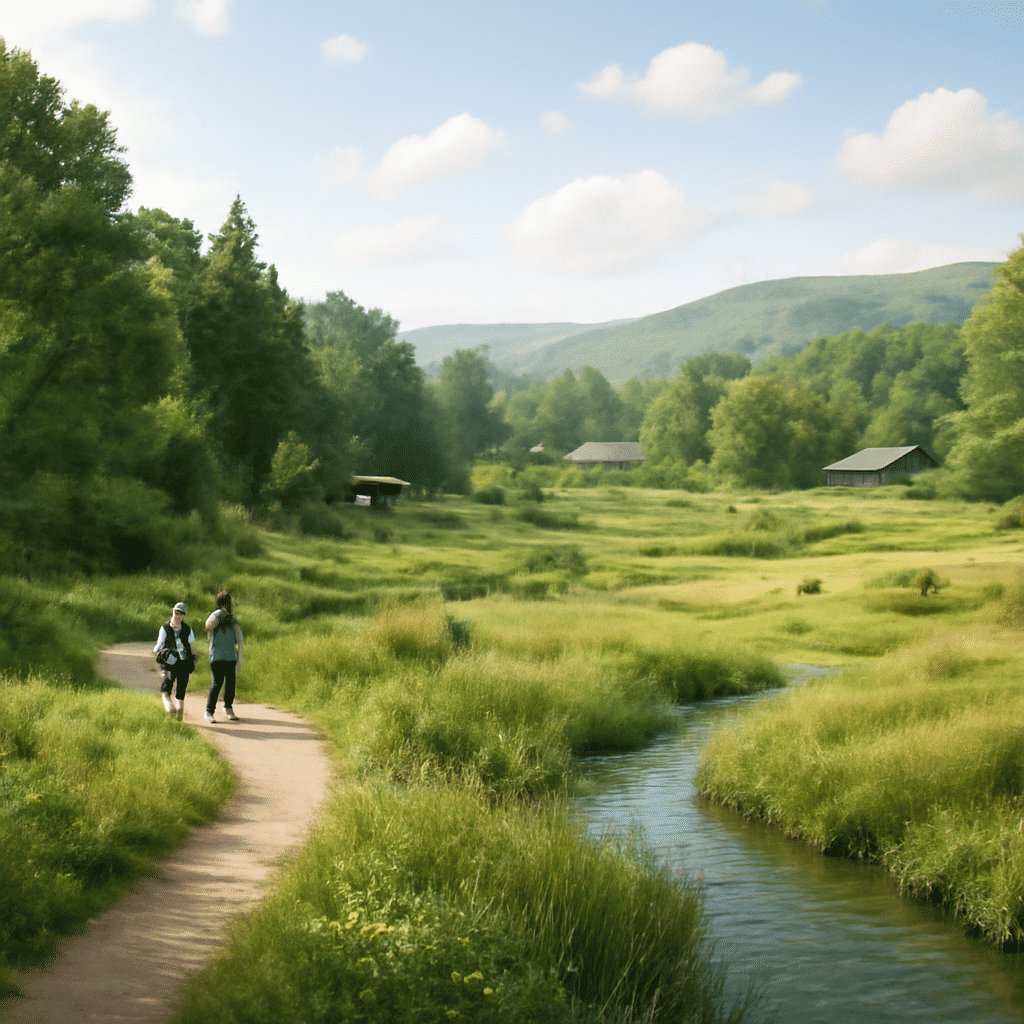
Biosphere reserves are critical components in the global strategy for conserving biodiversity while promoting sustainable development. Established under UNESCO's Man and the Biosphere (MAB) Programme, these reserves are recognized for their unique approach to conservation. They do not simply focus on protecting natural areas but aim to harmonize the relationship between humans and nature through integrated land-use planning and sustainable management practices.
At the core of biosphere reserves is the vision of blending conservation with sustainable development. This concept is usually implemented in three interrelated zones: core areas, buffer zones, and transition areas. The core areas are strictly protected regions dedicated to conserving landscapes, ecosystems, and species. They function as benchmarks for monitoring and research, offering a glimpse into ecosystems undisturbed by human activities.
Buffer zones surround the core areas and serve as a platform for experimental research and developmental activities that maintain the ecological integrity of the core. Here, limited human activities, such as ecotourism, sustainable forestry, and agriculture, are carefully managed to support local economies while promoting ecological balance.
The transition area, or outer zone, is where the synergy between people and nature is most palpable. Located furthest from the core, these zones accommodate sustainable agricultural practices, settlements, and industries. They are vital for engaging the local communities in the conservation and sustainable management of their resources, thus ensuring that human activities do not impinge upon the ecological health of the protected areas.
Biosphere reserves are more than just protected landscapes; they are living laboratories for sustainable development. They facilitate the study of ecosystem dynamics in conjunction with human interaction, providing valuable insights into strategies that mitigate human impact on the environment. These reserves serve as sites for piloting and demonstrating good practices, which can then be replicated globally.
In addition to ecological and developmental functions, biosphere reserves hold great social and economic significance. They often provide opportunities for education and public awareness, promoting environmental stewardship among local communities and beyond. This approach facilitates greater understanding and acceptance of conservation measures, which are crucial for their success.
Moreover, biosphere reserves can contribute to climate change mitigation by preserving carbon sinks, promoting sustainable land use, and fostering biodiversity, which enhances ecosystem resilience. They are vital in managing natural resources more sustainably under changing climatic conditions.
In sum, biosphere reserves are pivotal in conserving biodiversity while accommodating human needs. Their strategic zoning system adeptly balances conservation, development, and logistic support to local communities. As humanity faces pressing environmental challenges, the role of biosphere reserves becomes increasingly essential. They not only protect the planet's precious ecosystems but also forge pathways toward a sustainable future, fostering coexistence between humans and nature in harmonious balance. Through these efforts, biosphere reserves offer a hopeful model for sustainable living in the 21st century and beyond.